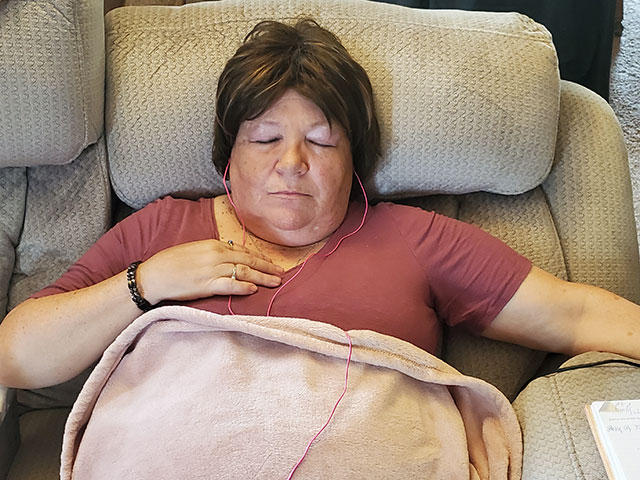
I’m so tired. I feel like I’m walking around in a deep London fog. My legs are heavy and hurt if I move them. I think I should probably just stay in bed. But, wait. I hear the kids chiming in that they’re hungry. My husband keeps opening the bedroom door to see if I’m awake and getting up anytime soon. The phone alarm is going off telling me someone is trying to text me or that I have an appointment coming up. I guess I need to get going.
Ever felt like that? Do you tell yourself you’re being lazy or find yourself wondering what’s wrong? Things like that never used to be a problem. But chronic illnesses can be disabling.
It gets to a point where you finally decide to call the doctor. You can’t go on with the pain, the exhaustion, the body parts not working the way they should. You need to know what’s happening. So, you pick up the phone, make an appointment, and eventually get in to see the doctor. Yet more than likely, the doctor tells you s/he needs tests, x-rays, blood work, or worse, that you’ll be just fine – go home and rest a few days and you’ll be all better.
But that doesn’t happen. The tests often show nothing, and the doctor writes on your chart things like, “patient needs to lose weight,” or “patient is exaggerating symptoms,” or … on and on.
I get it. I’ve been there.
Five months and six doctors after a hit and run car accident, I finally got a diagnosis of broken bones plus torn ligaments and tendons. They immediately (finally) decide they need to operate to repair those injuries, leaving me with more pain, only to later tell me, “Oops, you now have something called Complex Regional Pain Syndrome, sometimes called RSD.”
A 2018 article by Johnson and Johnson talks about someone that could very well have been me, but wasn’t. However, the story fits. She was in a car accident and developed reflex sympathetic dystrophy (RSD), a rare disorder marked by severe pain. It took 43 doctors and three years before she was properly diagnosed. By that time, she was so debilitated that taking a shower felt like “a million sharp needles” on her body, and she was sleeping more than 20 hours a day.
What is a chronic disability?
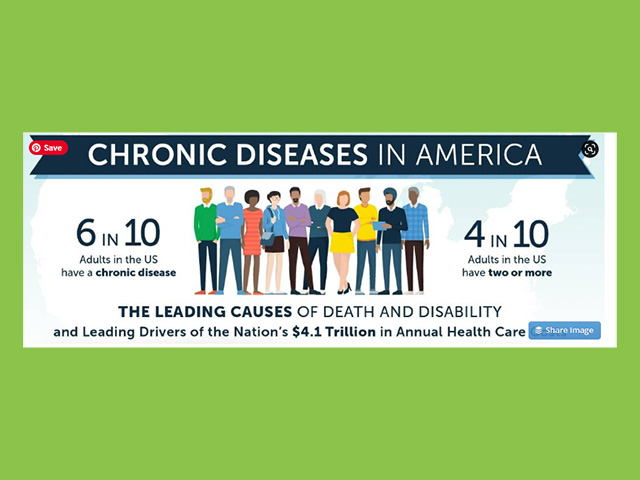
Complex regional pain syndrome is just one of hundreds of chronic disabilities. The Centers for Disease Control (CDC) defines chronic illness as: conditions that last one year or more and require ongoing medical attention or limit activities of daily living or both. Based on this definition, it’s clear that invisible chronic illnesses can be disabling.
Yet, because many of these disabilities are hidden, too many people don’t believe they exist. They don’t understand them, and they feel afraid that they may wind up getting something (is it contagious?). So, the topic is often taboo and as a consequence, when people do find themselves in a situation where their health limits their lives, they either ignore it or succumb to the mental challenges that are also inherent.
Pain is one of the major components of most of these disorders and pain wears down a person’s mental stamina. Recent statistics (Orlando Health) have stated that having a chronic disability increases the chance of attempted suicide by over 363%. The cycle goes like this (especially for women):
- Find yourself with a chronic disability
- Lose your job
- Lose your income and insurance
- Lose your spouse or significant other (because they no longer have the spouse they used to have)
- Become homeless
- Sink into depression and often drugs
- Attempt suicide
We must stop this cycle.
It’s going to take a lot of education, training, and uplifting of the people with the disabilities. It will take people believing in them, and doctors trying to find the answer, not just saying to live with it, that it will go away. It will take the community that should best understand disabilities to stop saying invisible illnesses and disabilities are not part of the disability world. They need to acknowledge that chronic illnesses, especially invisible ones, can be disabling. And so much more.
Will you join us and support the process? Help the invisible warriors get out into the battle and win the war.
Contact us HERE. Or support our 501(c)3 with a donation HERE.